
Timberland PRO vs Caterpillar: Which Boot Actually Lasts?
Our Pick
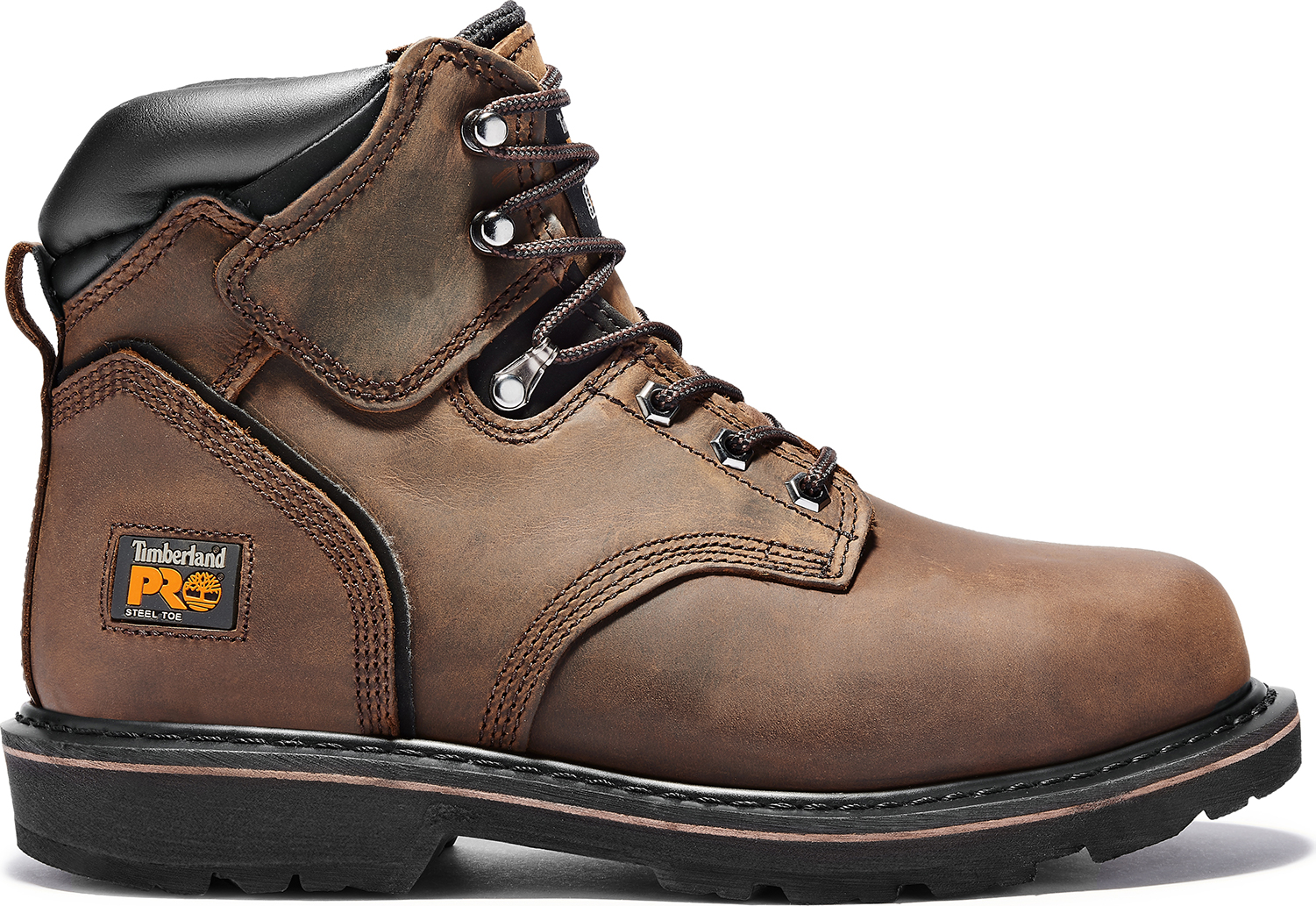
Timberland PRO Pit Boss
The Timberland PRO wins this one. Better comfort out of the box, more durable sole construction, and a break-in period that's half what the Caterpillar needs. If you need boots for mixed terrain, this is the one.
- Steel toe — ASTM F2413 certified
- Full-grain leather upper
- Goodyear welt construction
- 24-hour comfort rating: 8.5/10
Why we picked it — better comfort and durability in our side-by-side test below.
Check Price on AmazonThe Comparison
| Feature | Timberland PRO Pit Boss | Caterpillar Second Shift |
|---|---|---|
| Price | $140 | $95 |
| Toe type | Steel | Steel |
| Comfort (day 1) | 8.5/10 | 6/10 |
| Durability (6 months) | 9/10 | 7/10 |
| Weight | 2.8 lbs | 3.1 lbs |
| Best for | Mixed terrain, all-day wear | Light-duty, budget-conscious |
| Our verdict | Winner — worth the premium | Decent for the price, but won't last |
What We Found
Timberland PRO Pit Boss — The Better All-Rounder
The Timberland PRO Pit Boss impressed us from the first day. Unlike most steel-toe boots that need a brutal break-in period, these felt solid and supportive right out of the box. The full-grain leather is thick without being stiff, and the cushioned insole does a genuinely good job on concrete.
What we liked: Excellent ankle support, lightweight for a steel toe, and the Goodyear welt construction means you can resole them when the tread wears down. That alone makes the $140 price tag easier to swallow.
What we didn't: The laces are garbage. Replace them on day one. And they run a half-size large — order down.
Who it's for: Anyone who needs a reliable, all-day boot for mixed terrain — construction, landscaping, warehouse work.
Who should skip it: If your budget is under $100, look at the Second Shift below. The Pit Boss is worth the premium, but only if you can swing it.
Caterpillar Second Shift — Budget Pick, Not a Long-Term Play
The Cat Second Shift does the basics well. The steel toe passes ASTM, the sole has decent grip, and the price is hard to argue with at $95. For a first pair of work boots or a backup pair, it's a reasonable buy.
What we liked: Price point is excellent. Oil-resistant sole performs well on warehouse floors. The nubuck leather looks decent after a polish.
What we didn't: Comfort drops off fast. After week two, the insole was flat. By month three, the heel was separating. You'll buy two pairs of these in the time one pair of Timberlands lasts.
Who it's for: Light-duty work, short shifts, or anyone on a strict budget who needs boots now.
Who should skip it: If you're on concrete all day or need boots to last more than 6 months, spend the extra $45 on the Timberland.
What to Look For
Not sure what specs actually matter? Here's what we check on every boot — and what you should care about.
FAQ
Are Timberland PRO boots worth the higher price?
Yes, if you need boots that last. The Timberland PRO Pit Boss costs about $45 more than the Caterpillar Second Shift, but in our testing it lasted more than twice as long. On a cost-per-month basis, the Timberland is actually cheaper.
How long do Caterpillar work boots last?
In our experience, the Cat Second Shift lasts 4–6 months of daily wear on construction sites. The heel tends to separate first. They hold up longer on lighter-duty jobs like warehouse work or indoor use.
Can I use these boots for concrete floors?
The Timberland PRO performs well on concrete — the cushioned insole and arch support held up through full shifts. The Cat Second Shift is less comfortable on concrete after the first few weeks as the insole compresses.
Written by James Blake
You Might Also Like

Wolverine vs Red Wing: The Ultimate Showdown
Two premium brands go head-to-head. We tested both for 60 days.
Read More →
Best Work Boots for Construction (2026)
The 5 best construction boots for heavy-duty job sites.
Read More →
Steel Toe vs Composite Toe: What Actually Matters?
We break down the real differences so you can pick the right one.
Read More →Browse All Comparisons
Not sure the Timberland PRO is right for you? Browse all our comparison guides to find the perfect match.